What’s the connection between sciatic pain and the low back?
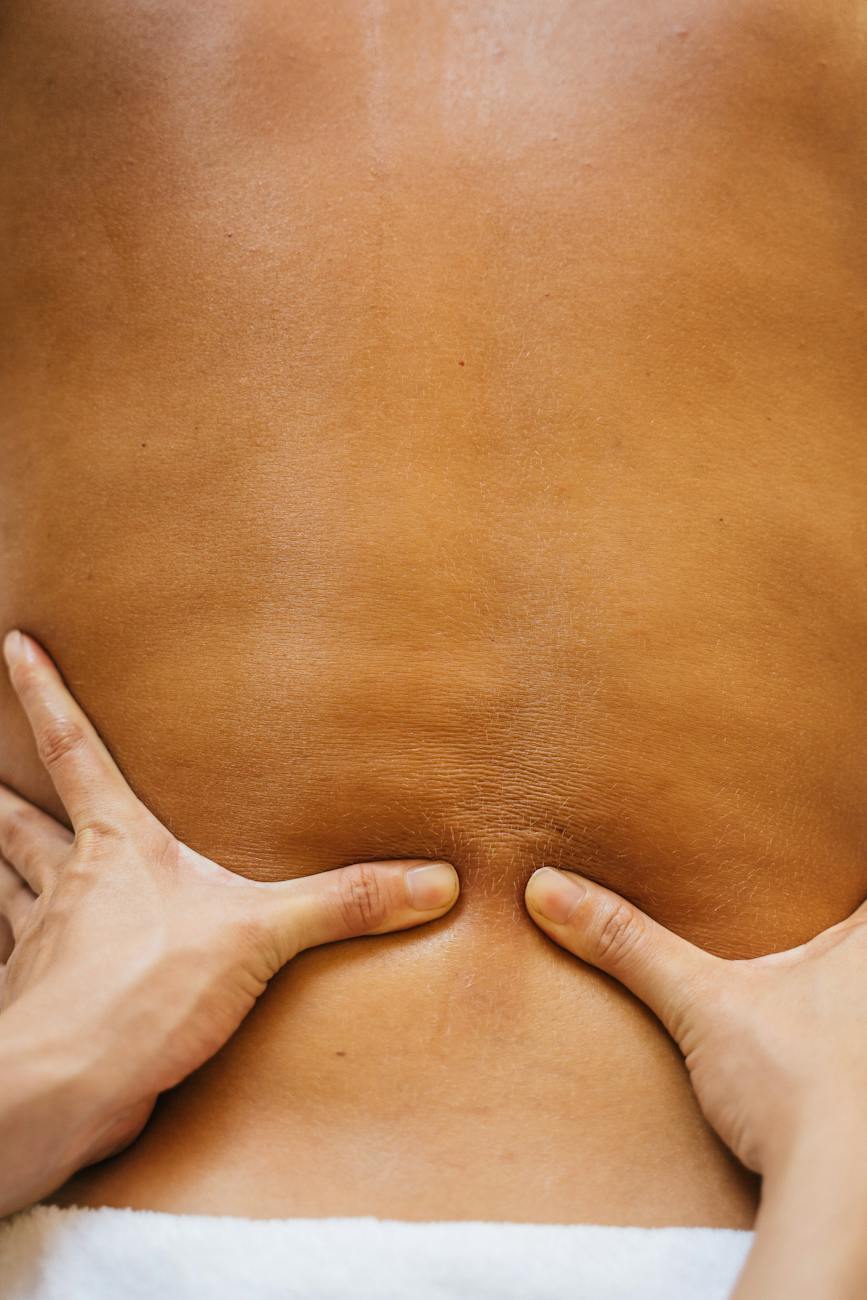
Sciatica is a common and treatable condition in which pressure is put on the sciatic nerve which radiates down one or both legs. The nerve root of the sciatic nerve comes from between Lumbar vertebrae 3-5. In simple terms… the low back. The nerves that innervate the legs and feet originate in this area and stem out much like the roots of a tree or plant. Sciatica symptoms can range from mildly annoying to severe and disrupting daily activities. Pressure, tingling, almost always radiating pain are used to decipher between sciatica and other possible diagnosis. (important to note, loss of bladder or bowel control and/or sensation of the leg are not sciatica and should be treated as a medical emergency). Sciatica often varies in intensity with some activities putting more pressure on the nerve than others.
Although several things can initiate a bout of sciatica some known triggers include sitting for long periods (driving or sitting), muscle strain of the low back, herniated disc, narrowing of the spinal canal and certain movements that put pressure of the Lower back and vertebra.
Acupuncture, massage and chiropractic care are all good options to treat pain from sciatica. Stretching is not recommended and if it truly is sciatica, stretching will not help. This makes sense if we recognize the sciatic nerve as irritated during sciatica. Stretching a nerve that is already irritated generally will not make it feel better. Heat or anything to loosen the lower back muscles are helpful things you can do at home.
Day=Yang- Natures time for high activity, movement, growth, sunlight, outward reaching.
Night=Yin- Natures time for inward retreat, rest and repair, darkness, coolness.
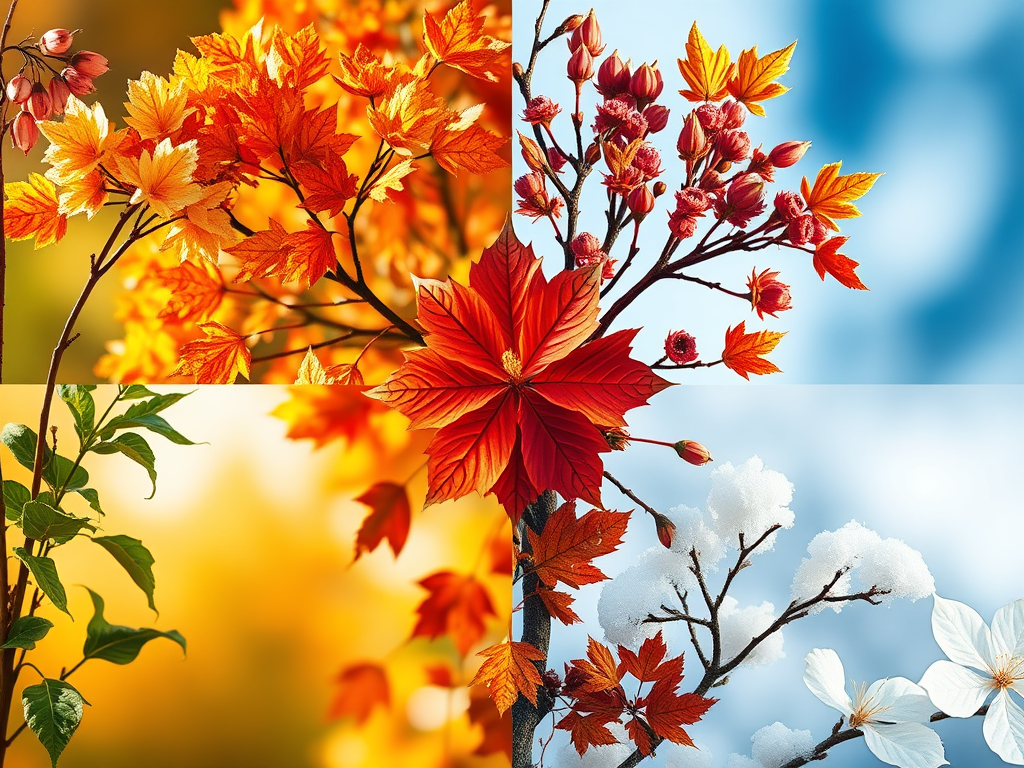
Winter -a time to cool the land, retain moisture, retreat hibernate. Observe and let the systems we put in place work.
Spring- a time for new growth and life, babies are born, bears are waking up.
Summer– a time when things are busy and productive. Filling the wood shed and process foods for the winter.
Fall– a time to ensure things are in place and start to get us through the winter.
Following these systems leads to less resistance in our life but often times we forget we are still part of nature and it’s not always obvious how modern lifestyle connects to these systems nature has designed.
I have been seeing many patients who are now or have recently entered retirement. Most of these folks are well prepared financially but were surprised by the emotions that come with this milestone. There is often some depression and anxiety with this new phase and a need to rediscover themselves without a workplace identity. I’d like to share some ideas people have shared with me and I have come to realize to be true.
If life is seasonal, we naturally assume Springtime is our childhood and adolescents and even into the beginning of our careers. We are learning skills. Probably into our 30s for many of us. (Keeping in mind we can all go through mini seasons at any time of life) This is the time to explore and learn.
Summer being a time to earn money and secure our futures. Also, not just money we are gathering but we are gathering wisdom. Wisdom and experiences are also commodities you will need to accumulate. 30-50s Build business’ start families, network. As a healthcare Practitioner, I would like to emphasize working on our fitness at this point as much as we are working towards financial security, we should also focus on health security. Diet, exercise and stress management at our busiest time of life will pay off in our later years.
Autumn and Fall would be time to pay attention and wind down, we can usually become more selective about work and the jobs we are involved in during this time. We can optimize our financial plans, our homes and start to think about a more relaxed version of life. We have gained some wisdom and now can perhaps think about teaching what we have learned to the youth. 50-70
Winter naturally becomes a time when we think of the things we have contributed and the impact to those around us. This time of reflection can bring peace and an opportunity to reflect on the relationships in our lives, mend them or come to terms with what is. This is also the season in which to find joy in the youth around us. Teach them if we can and also let their joy teach us. Looking at our mortality and if there are things we want to do, now is the time. I recently treated a 92 woman and in talking to her the most important thing I gleamed from our interaction and the thing I cherish most about working with my elders is their candidness. I think in our winter season we have lived long enough to go ahead and say what needs saying without all the pretense. This time can be freeing if we let it.
Relationships are probably the most important thing we have in our life. This includes a relationship with ourselves.
Nature does not hurry, yet everything is accomplished- LaoTzu
I believe in nature and the healing power of birds in the trees, water trickling in a creek, warmth of the sun, power of fresh air in the lungs and terrific grounding power coming up from the earth and into the plants that we live with. I believe in the power of nature. Black sage as a name resonated with me on many levels. Black sage is sometimes referred to as Mugwort which is sometimes used in Acupuncture treatments as moxa to warm and dredge the channels. However, there are other uses for black sage from a spiritual perspective black sage is used on deep shamanic journeys other used include after a trauma people would bathe in water and black sage to heal and protect them giving them deep inner strength. There are uses in many cultures for different kinds of sage from protecting, cleansing and grounding. It is often used in ceremonies and rituals. I picked sage specifically because it is not a far out of reach plant and it grows almost everywhere. It is incredibly powerful yet not out of reach for most of us. I believe that is how medicine should be. Practical and Profound.
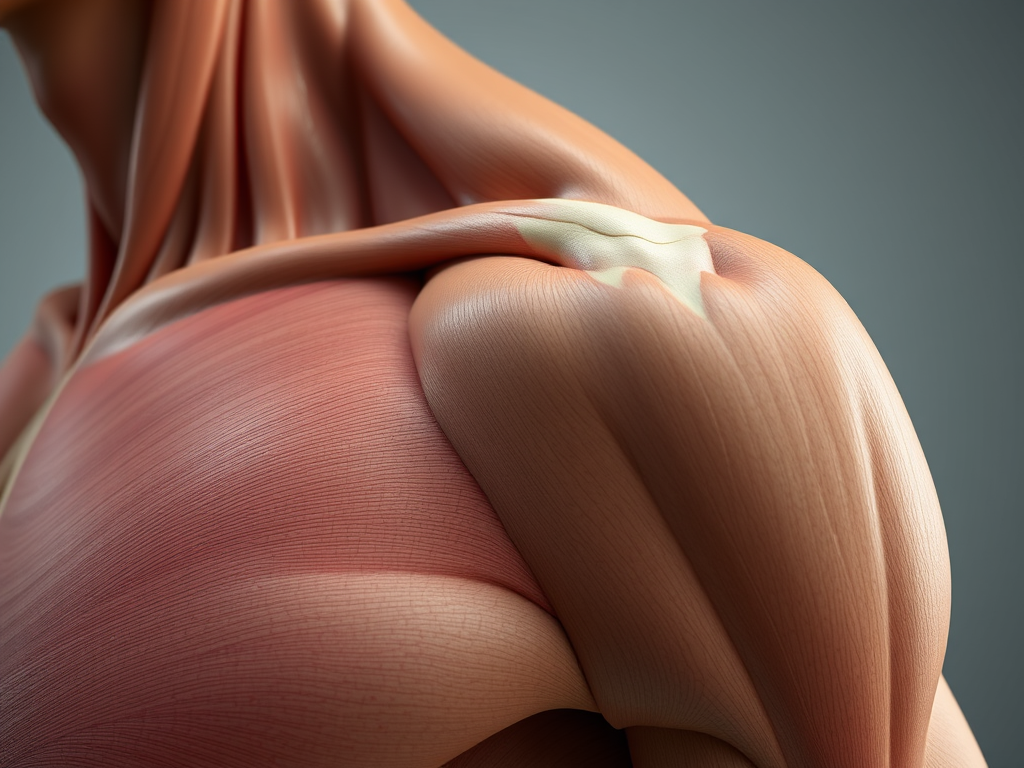
Polymyalgia rheumatica often called PMR is a painful condition that most often affects the muscles, tendons and ligaments near the neck, shoulders and hips but can affect other areas. It causes stiffness and pain that it debilitating for those affected by drastically decreasing quality of life. PMR can make small things like getting dressed, tying your shoes, and going for walks seem like an impossible endevour. Standard treatment currently involves the use of steroids to control the inflammation and pain levels, without much more to offer treatment leaves patients sometimes feeling hopeless and somewhat relying on the use of steroids. Treatment needs to involve more than a metaphorical bandaid of symptoms. What’s really going on with Polymyaglia Rheumatica and what other treatments can help with pain and inflammation in the body?
PMR usually comes on quickly with flu-like symptoms followed by extreme pain and stiffness that does not go away on it’s own. Stiffness is worse in the morning. Doctor’s don’t have a specific test to diagnose PMR, the presence of stiffness and pain coupled with increased inflammation markers in the blood and excluding other diagnosis such as rheumatoid Arthritis can lead to a Polymyalgia rheumatica diagnosis.
Despite the limited understanding of the PMR it is still important to get a diagnosis from a Doctor. The most important reason for this is to make sure you have correctly identified what is going on in your body. There are other more serious diagnosis that can look like and correlate with PMR including Giant Cell Arteritis. This is a distinction best made from your Doctor who has the knowledge and background.
However, once you have a PMR diagnosis there are things other than or in addition to steroid therapies to incorporate. Considering the vague nature PMR patients need to focus on what we do know and what they can control. We know there are inflammatory markers such as the ESR and CRP which indicate inflammation in the body, and we know we are dealing with an autoimmune disorder. As with all autoimmune disorders managing stress, controlling diet, sleep, lifestyle factors are all elements in our body’s internal ecosystem.
First looking at inflammation, there is some emerging research showing connection between PMR and blood insulin levels. The research is at this point correlative rather than direct cause and effect. There is a correlation between higher blood glucose levels and inflammation markers in the blood, there is a correlation between high blood pressure and type 2 diabetes. There are correlations to emotional expression and the development of some autoimmune disorders.
Things that can help manage stress and reduce inflammation
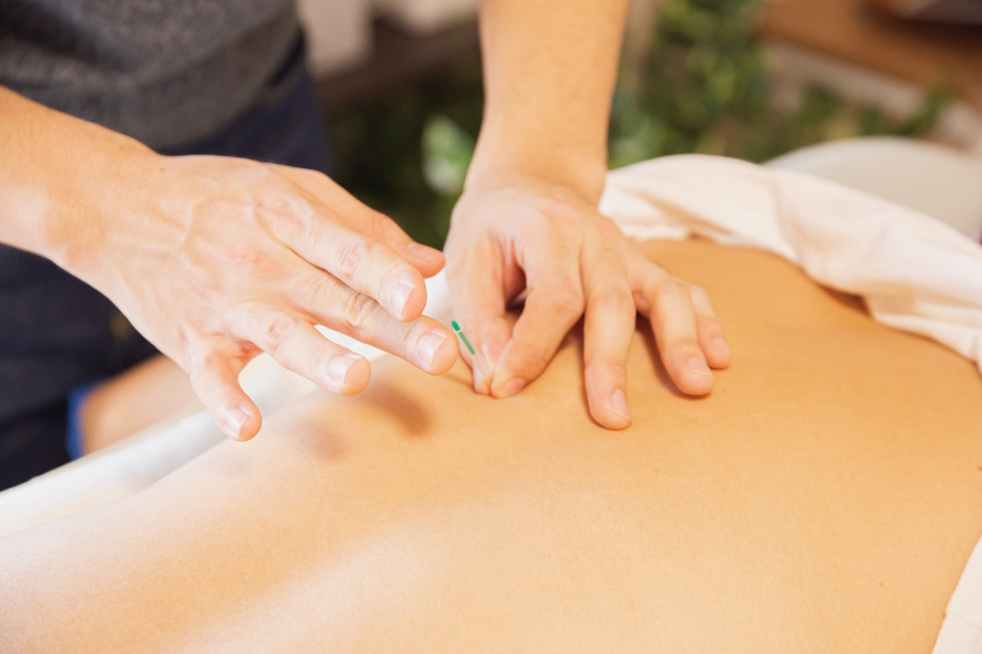
Acupuncture- helps with stress, pain and inflammation
Reduce sugar intake- can control inflammation
Exercise when feeling good, can reduce the amount of time you are down when you have flare ups
Reduce stress levels- yoga, walking, visiting with friends, take time to yourself, hobby
Increase foods that have natural anti-inflammatory properties.
Welcome to my first blog post! On this site, I will be providing some insight and experience I’ve had in Acupuncture. I am truly passionate about my profession as a Licensed Acupuncturist and Wellness Educator. Throughout my career, I have had the privilege of working in diverse clinical settings, each with its own unique group of patients. Inevitably, though, I have noticed that certain questions consistently arise among the individuals I treat.
What can acupuncture help with?
What can I do at home to help with things like pain?
Are there any supplements or products that I should be taking?
This blog will be devoted to answering questions like these. Thank you for reading.


 Black Sage Wellness