

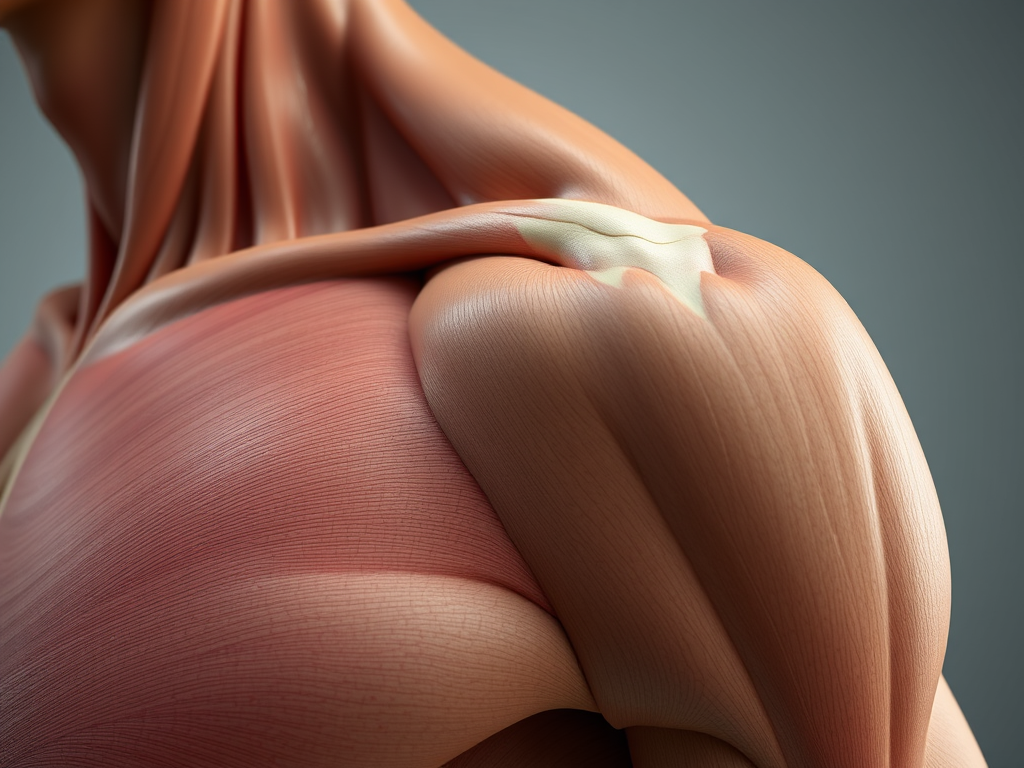
Polymyalgia rheumatica often called PMR is a painful condition that most often affects the muscles, tendons and ligaments near the neck, shoulders and hips but can affect other areas. It causes stiffness and pain that it debilitating for those affected by drastically decreasing quality of life. PMR can make small things like getting dressed, tying your shoes, and going for walks seem like an impossible endevour. Standard treatment currently involves the use of steroids to control the inflammation and pain levels, without much more to offer treatment leaves patients sometimes feeling hopeless and somewhat relying on the use of steroids. Treatment needs to involve more than a metaphorical bandaid of symptoms. What’s really going on with Polymyaglia Rheumatica and what other treatments can help with pain and inflammation in the body?
PMR usually comes on quickly with flu-like symptoms followed by extreme pain and stiffness that does not go away on it’s own. Stiffness is worse in the morning. Doctor’s don’t have a specific test to diagnose PMR, the presence of stiffness and pain coupled with increased inflammation markers in the blood and excluding other diagnosis such as rheumatoid Arthritis can lead to a Polymyalgia rheumatica diagnosis.
Despite the limited understanding of the PMR it is still important to get a diagnosis from a Doctor. The most important reason for this is to make sure you have correctly identified what is going on in your body. There are other more serious diagnosis that can look like and correlate with PMR including Giant Cell Arteritis. This is a distinction best made from your Doctor who has the knowledge and background.
However, once you have a PMR diagnosis there are things other than or in addition to steroid therapies to incorporate. Considering the vague nature PMR patients need to focus on what we do know and what they can control. We know there are inflammatory markers such as the ESR and CRP which indicate inflammation in the body, and we know we are dealing with an autoimmune disorder. As with all autoimmune disorders managing stress, controlling diet, sleep, lifestyle factors are all elements in our body’s internal ecosystem.
First looking at inflammation, there is some emerging research showing connection between PMR and blood insulin levels. The research is at this point correlative rather than direct cause and effect. There is a correlation between higher blood glucose levels and inflammation markers in the blood, there is a correlation between high blood pressure and type 2 diabetes. There are correlations to emotional expression and the development of some autoimmune disorders.
- Things that can help manage stress and reduce inflammation
- Acupuncture- helps with stress, pain and inflammation
- Reduce sugar intake- can control inflammation
- Exercise when feeling good, can reduce the amount of time you are down when you have flare ups
- Reduce stress levels- yoga, walking, visiting with friends, take time to yourself, hobby
- Increase foods that have natural anti-inflammatory properties.
- Take care of your emotional self

 Black Sage Wellness